

Fabric Care
Caring for your fabric is essential as it is a valuable resource. To ensure the longevity of your new purchase, we have compiled some guidelines for you. It is highly recommended to pre-wash any washable natural fibres that you plan to wash in the future, as there may be some shrinkage. We advise pre-washing in the same manner that you intend to wash your future fabric creations, including the drying process.
When washing, always separate light and bright colours to prevent any possible colour running in the initial washes. Please keep in mind that these care tips are general guidelines, and variations may occur depending on the fabric type. If you have any queries or concerns, feel free to reach out to us for assistance.
Bandage
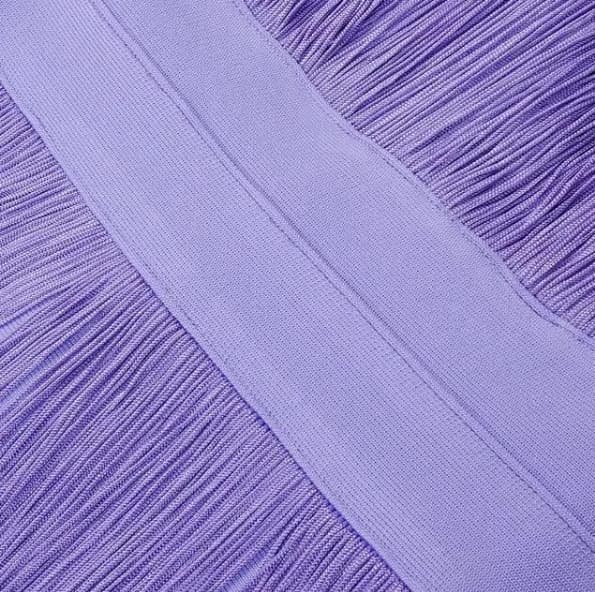
Bandage dresses are crafted from a premium blend of spandex, nylon, and rayon, offering a form-fitting silhouette that hugs the body like a second skin, accentuating and shaping your curves beautifully.
Washing
- Dry cleaning – If you prefer to leave the cleaning of your dress to the professionals, dry cleaning is the way to go. While it can be a bit pricey, it takes the hassle out of cleaning at home.
- Washing Machine – Using a washing machine can be a bit risky, but if you're feeling confident, opt for the coolest and gentlest cycle. Many machines also offer a hand-washing cycle, which is a safe choice.
- Hand Wash – For a gentle hand wash, the bathtub is the perfect spot. Lay the dress flat during washing to maintain its shape and elasticity. Use soapy water to gently wash the dress, then rinse it off without wringing or squeezing it. Just gently press out the excess water.
- Quick Clean – If you only have a small stain to deal with, dampen the area with cold water and gently rub in some soap. Rinse and pat dry for a quick and easy clean.
Drying
Drying your dress is straightforward. Simply lay it flat on a clothes rack or towel to dry, and remember to turn it occasionally. Avoid hanging the dress on a hanger while drying, as this can cause it to lose its shape and affect its elasticity.
Ironing
It's best to iron the dress while it is still slightly damp. Use a low heat setting on your iron and iron the dress inside out to avoid iron marks. If you need to iron the dress when it's dry, place a damp cloth between the dress and the iron to prevent any damage.
Storage
When it comes to dresses with sleeves and straps, it's best to hang them up on a hanger, but avoid using wire hangers. If hanging isn't an option due to a sleeveless style or lack of closet space, try laying the dress flat in a drawer. If folding is necessary, do so carefully to avoid creating creases that would undo your ironing efforts. Keep the dress hung up or stored flat with ample space to maintain its shape and prevent wrinkles.
Sequin
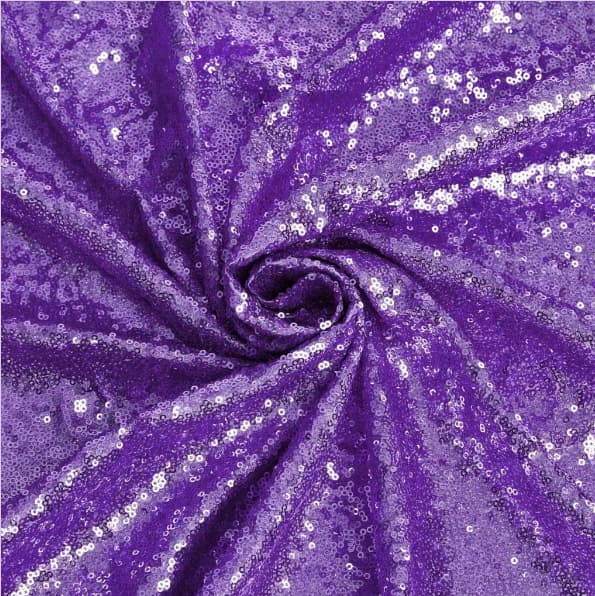
Sequins are decorative embellishments, typically made of plastic or metal, that are added to fabrics like cotton, silk, wool, or synthetics. They are commonly found adorning dresses, skirts, and blouses.
Washing
Dry Cleaning
- Choose a reputable dry cleaner that specialises in caring for evening gowns and wedding dresses.
- Provide the dry cleaner with fabric off-cuts to test before cleaning the adorned garment.
- Ensure the dry cleaner uses the ‘F’ (hydrocarbon solvent) cleaning method or Green Earth dry cleaning method.
- For garments with metal decorations, ask the dry cleaner to ‘foil’ the decorations to prevent cracking or tarnishing during cleaning. Alternatively, request hand-cleaning or removal and reattachment of decorations.
Hand Washing
- Fasten all zips and buttons, then turn the garment inside out.
- Fill a clean bowl or sink with hand-warm water (up to 30°C) and add a gentle detergent designed for delicate fabrics.
- Submerge the garment and wash gently with a plunging/swishing motion. Avoid excessive rubbing to protect beads and sequins.
- Rinse the garment in cool water until the water runs clear.
- Gently squeeze out excess water without wringing.
Machine Washing
- Fasten zips and buttons and turn the garment inside out.
- Place the garment in a mesh laundry bag or pillowcase before washing.
- Wash the garment alone on a delicate cycle at a maximum of 30°C with a suitable detergent for delicate fabrics.
- Use the lowest spin cycle setting to prevent damage.
- Check for any loose embellishments that may have come off during washing.
Drying
- Lay the inside-out garment on a clean, dry, and lint-free towel, then roll it up and gently squeeze to remove excess water. Repeat with another dry towel if needed.
- Carefully turn the garment right side out and allow it to air dry on a flat surface.
- Avoid putting beaded or sequined garments in a tumble dryer as the sequins may melt and the drum's movement can cause damage.
Ironing
For garments adorned with beads and sequins, avoid ironing to prevent damage. To remove creases:
- Turn the garment inside out and use a clothes steamer (for washable fabrics only). Keep the steam wand about 30cm away from the fabric.
- Hang the garment in a steamy bathroom to help release wrinkles.
- Ensure the garment is completely dry before wearing to prevent the formation of new creases.
Repair
If you notice a loose bead, sequin, or thread on your garment, secure it with a few stitches as soon as possible to prevent further loss. If a significant number of beads or sequins have come off, it's best to have the garment repaired by a specialist to ensure proper restoration.
Storage
- Prior to storing, ensure the garment is clean and well-aired.
- Hang embellished garments on sturdy, padded, non-slip hangers, utilising the garment hanging loops for added support. Avoid crushing the garments in the wardrobe and consider using a garment cover to maintain cleanliness.
- For heavier garments, wrap them in acid-free tissue paper, fold carefully, and store flat to preserve the embellishments.
Satin
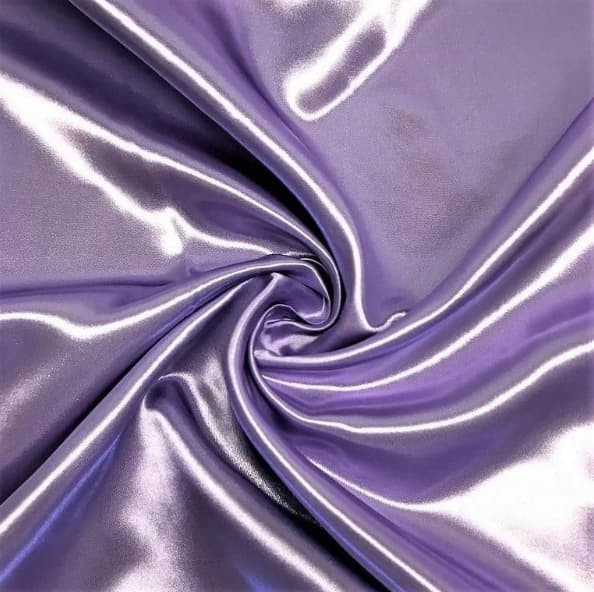
Fabric woven with floating yarns made of silk, rayon, acetate, nylon, polyester, or a blend. Known for its luxurious, smooth, lustrous, and draping qualities.
Washing
- Handwashing is always the best and safest method for washing satin.
- Add 2 capfuls or a squirt of Delicate Wash to a washbasin or sink filled with cool water.
- Submerge the item and gently agitate the water with your hands to evenly distribute soap. Soak for up to 30 minutes.
- Rinse well by running cool water through the item until the water is no longer soapy.
- Do not wring. Instead, press the water out of the item.
Drying
Air drying is the best option for satin fabrics. Satin should never be wrung out to remove excess water. Get the excess water out by laying the item flat on a dry towel and rolling the towel up with the satin item inside. Apply gentle pressure to the towel to force out the excess water. Unroll the towel and remove the item. Lay the satin item on a dry towel and let it air dry.
Ironing
It takes special care to iron satin. Use a warm iron and absolutely no steam. Always press satin on the wrong side of the fabric and keep a pressing cloth between the iron and the fabric. A thin piece of white cotton such as a handkerchief works well as a pressing cloth. Applying a hot iron directly to satin fabric can leave behind an impression of the iron's plate and can damage the fabric.
Storage
- Satin items such as a skirt or dress can be hung on a hanger; however, be mindful of clips because they can leave marks on the material.
- Always store items clean.
- We recommend storing in a breathable cotton hanging storage bag to protect items from bugs.
- Storing in plastic encourages yellowing and can trap mildew-causing moisture, a prime environment for bugs.
Polyester
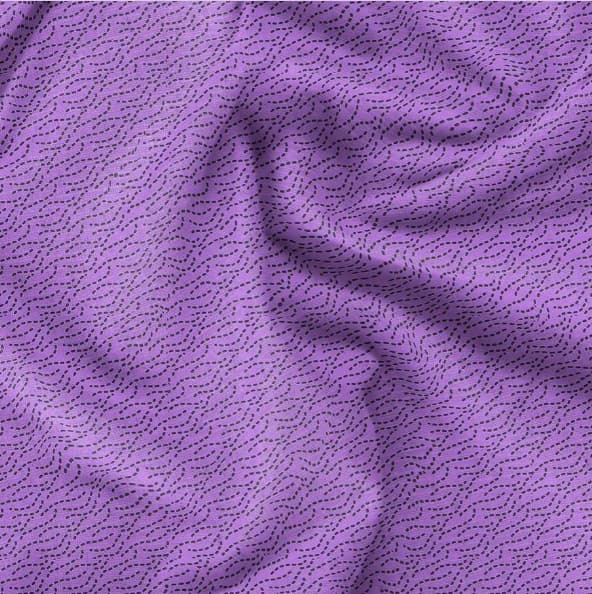
Polyester is a versatile and durable fabric that can easily be washed at home. Here are some key instructions for washing, drying, ironing, and storing polyester clothing.
Washing
- Machine wash polyester items like jackets with a gentle detergent on the normal cycle using warm or cool water.
- Wash similar colours and fabrics together to prevent colour bleeding.
- For added brightness, consider using a non-chlorine bleach alternative in each wash cycle.
Drying
- Air dry polyester garments or tumble dry on a medium temperature setting.
- Polyester is generally wrinkle-resistant but can be ironed on a low heat setting if needed. Steam can also help smooth out wrinkles.
- Refresh between washes by spritzing with a fabric freshener.
Ironing
Polyester's non-wrinkling properties make it easy to care for, but heavy wrinkles can be removed with a steam iron on a medium heat setting. A clothing steamer can also be effective.
Storage
- Hang polyester garments or stack them flat to prevent wrinkles. Folding may cause creases.
- Store polyester items in a plastic tub or garment bag to protect them from dust during long-term storage.
- Ensure freshly laundered items are completely dry before storing. Loosely knit pieces can be folded and placed in drawers, while woven or tightly knit items should be hung to maintain their shape.
Need help with garment care? Email us at connect@maisonisivis.com